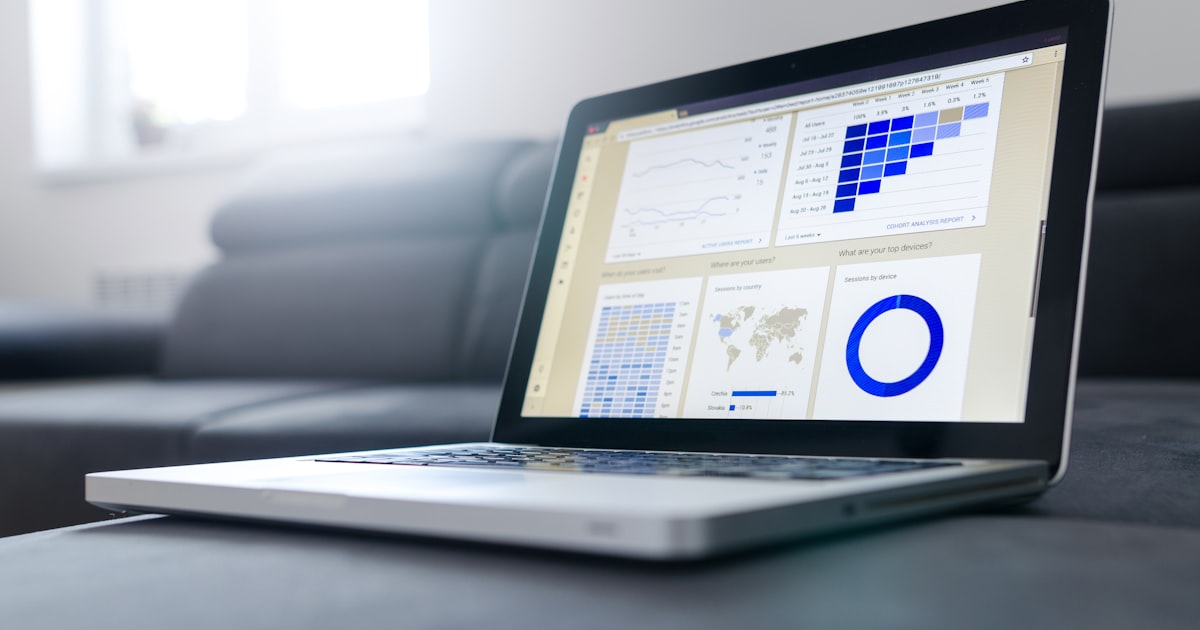
AI creative prediction tools analyze ad elements (color, composition, text, visual hierarchy) to forecast performance before you spend budget. They achieve 90% accuracy compared to 52% for human intuition, and deliver results in 5 minutes versus 5 days for A/B testing. Nielsen confirms 70% of ad effectiveness derives from creative quality. Enterprise teams report $50K+ annual savings and 3-5x ROI within 90 days.
The Creative Guessing Problem
Nielsen research shows that 70% of advertising effectiveness derives from creative quality—more than targeting, bidding, or placement combined. Yet most marketing teams still rely on intuition to decide which creative to run.
The traditional process: design multiple concepts, spend thousands on A/B tests, wait 5+ days for statistical significance, then discover most variations underperform. By then, you've already burned budget.
How AI Creative Prediction Works
Creative prediction AI analyzes thousands of data points from your assets: color psychology, text sentiment, visual composition, object placement, emotional triggers, and audience behavior patterns. It then builds predictive models trained on millions of historical campaigns.
The analysis happens in layers:
- Visual elements: Color contrast, image complexity, face detection, logo placement
- Text analysis: Headline sentiment, CTA strength, text-to-image ratio
- Attention prediction: Eye-tracking simulation, visual hierarchy scoring
- Platform optimization: Format-specific requirements (Stories vs. Feed vs. Reels)
The result: a performance score with 90%+ correlation to actual campaign results, delivered in under 5 minutes.
The Tool Landscape
Neurons AI — Eye-Tracking Prediction
Neurons uses neuroscience and a massive eye-tracking database to predict where viewers will look within the first seconds of exposure. Upload an image or video, receive heatmaps showing attention distribution. Critical for optimizing hooks, branding placement, and CTAs before any spend.
AdCreative.ai — Performance Scoring
Generates optimized ad designs and predicts performance before launch. Creates multiple variations quickly with built-in scoring. Works on a credit-based system, making it accessible for teams of any size.
Memorable — Multi-Metric Prediction
Predicts CTR, engagement rates, view-through rates, brand lift, and conversion rates. Provides pretests in seconds with data-driven feedback during the creative process—not after you've committed budget.
Dragonfly AI — Attention Mapping
Real-time attention heatmaps showing exactly how viewers interact with visual elements. Identifies weak spots in composition before launch. Particularly strong for video and motion graphics.
CreativeX — Enterprise Scale
Multi-channel analysis with compliance tracking (logo placement, brand colors, legal requirements). Ideal for large organizations needing to systematize creative quality across hundreds of assets and prove impact on performance with data-backed evidence.
The ROI Case
The economics are straightforward:
- Traditional A/B testing: $1,000–$5,000 per creative variant (media spend + time)
- AI prediction: Pennies per asset, results in minutes
- Enterprise average savings: $50,000+ annually
- Typical ROI: 3-5x return within 90 days
Consider: avoiding 20 underperforming creatives at $2,000 testing cost each equals $40,000 in prevented waste. Add a 15% performance improvement on $500,000 annual spend with 20% margins, and you've generated $15,000 additional profit. Total first-year impact: $55,000+ from a tool costing a fraction of that.
Implementation Strategy
1. Data Requirements
Most tools require 3-6 months of historical campaign performance to calibrate predictions for your specific audience and industry. Optimal results come from 6-12 months of data across multiple creative formats.
2. Workflow Integration
Insert AI scoring at the creative brief stage, not after production. Score concepts before full design, test variations at rough-cut stage, then validate final assets. This catches failures early when changes are cheap.
3. Calibration Period
Run predictions alongside actual A/B tests for 60-90 days. Compare AI scores to real performance. Adjust thresholds based on your specific benchmarks. After calibration, use AI as the primary filter and reserve A/B testing for only the top-scoring variants.
Limitations to Know
AI creative prediction excels at identifying patterns but can't predict truly novel approaches—breakthrough creative that defies historical patterns. Use it to eliminate obvious failures and optimize incremental improvements, but preserve budget for testing genuinely experimental concepts that don't fit existing models.